

Why Yoga becomes especially important during cold weather?

Every winter, I notice the same pattern in my yoga classes. Students become very irregular and often a quiet apology at the beginning of class: “I’ve been very irregular with my practice these day” 😊. During winter it is natural that our bodies feel stiffer, and there is more resistance in movement. Some mention feeling heavy and dull, others complain of dryness, joint pain, or low motivation. Almost everyone agrees on one thing that winter makes Yoga practice harder.
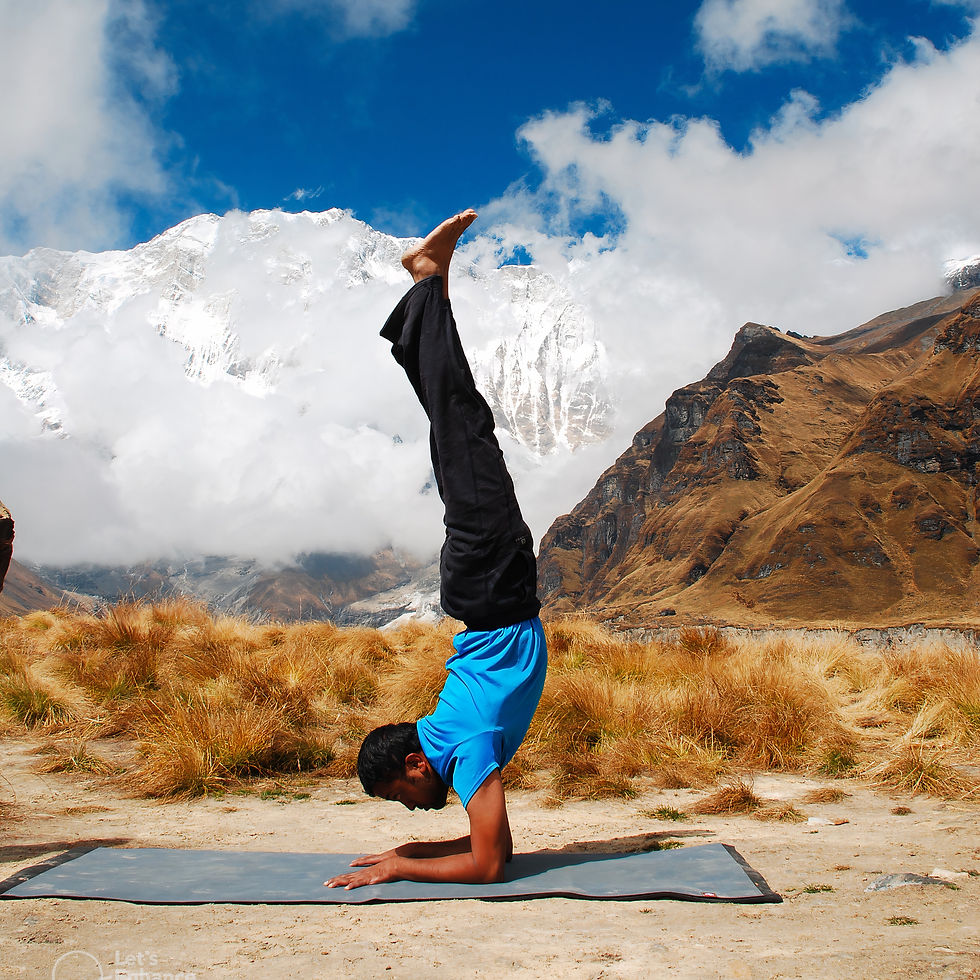
Over the years, these seasonal changes have taught me something important. The problem is not that winter weakens us. The problem is that winter changes what the body needs, while we often continue to approach yoga in the same way or abandon it altogether. I have seen many skipping practices during winter and they love to sleep more! In this blog let’s deep dive to understand what happens during cold weather.
Cold weather naturally draws the body inward. From an Ayurvedic perspective, winter is actually a season of strength. It says that cold weather is the time when digestive fire, or Jatharagni, is strongest. External cold pushes heat inward, enhancing digestion and increasing hunger. This is something we often see as stronger appetite, cravings for heavier foods, and a sense that the body wants nourishment. When Prana moves more to the core, the joints and muscles naturally become stiffer. Moreover, winter increases Kapha, bringing heaviness and slowness, and cold also aggravates Vata, leading to dryness, stiffness, and irregularity. Without adequate movement, this strong digestive capacity does not translate into vitality. Instead, it manifests as lethargy, congestion, and a sense of being weighed down.
When students reduce their practice in winter, I often see this imbalance clearly. Strong appetite combined with low movement quickly leads to heaviness, stiffness, and mental dullness. Yoga changes this equation by voluntary producing heat through movement and breath. Unlike the passive warmth of heaters or heavy clothing, the warmth generated through asana is more alive and circulating. It reaches the joints, improves blood flow, and keeps tissues supple. Over time it prevents the seasonal decline in energy that many people assume is inevitable.
In yogic terms, winter naturally calls disciplined effort that generates inner heat and clarity. This does not mean pushing harder or practicing aggressively which is what many do. But we should understand that excessive intensity can also be destabilising as it can aggravate vata further. What winter asks for is intelligent effort. Just enough movement to counter Kapha’s inertia, enough rhythm and breath to stabilize Vata, and enough awareness to avoid exhaustion. Yoga teaches this balance better than almost any other practice.
But beyond these physical and metabolic benefits, yoga offers something deeper. Patanjali, in the Yoga Sutras, describes one of the key benefits of asana practice with the sutra:
ततो द्वन्द्वानभिघातः (Yoga Sutra 2.48)
Tato dvandva anabhighātaḥ (Yoga Sutra 2.48)
Which means from the mastery of asana arises freedom from disturbance by the pairs of opposites (dwandvas). Cold and heat, pleasure and pain, comfort and discomfort are all dwandvas. Winter intensifies our relationship with these opposites. We resist cold, seek warmth, avoid discomfort, and cling to ease. Yoga practice in winter becomes a living opportunity to observe this resistance. When we keep up our practice despite the cold, we begin to experience what Patanjali points toward, a state where external conditions no longer dictate our inner stability. This does not mean ignoring the body’s needs or practicing harshly. Yoga never asks for violence. The body still feels sensation, but the mind is no longer dominated by it.
As a practitioner and a teacher, I have come to see winter not as a difficult season for yoga, but as one of the most rewarding. Winter strips away our dependence on comfort and exposes how conditional our discipline can be. At the same time, it offers a powerful opportunity to cultivate tapas. Tapas in winter is not about doing more; it is about staying present when conditions are not ideal. It is about choosing awareness over avoidance, steadiness over withdrawal. In this sense, winter practice becomes deeply spiritual. By learning to remain undisturbed by cold and discomfort, we are not just adapting to a season where we are loosening our attachment to the dualities that bind the mind.
Yoga ultimately points toward liberation, not merely flexibility or strength. Liberation begins in small, daily moments when we stop being pushed and pulled by nature’s opposites. Winter, with all its resistance, simply makes this teaching clearer. When yoga practice is aligned with the nature of winter, it builds resilience without draining energy. When practice is neglected, winter’s inward pull easily turns into stagnation.
Interestingly, this understanding of winter is not limited to Yoga and Ayurveda alone. It is also embedded deeply within Hindu tradition through the observance of Dhanur Māsa. I will explain more about this in my next article. Until then remember that when we stop resisting the seasons, they stop disturbing us. At the end of the day, Yoga is all about controlling our mind from these disturbances.
Join us to Practice Yoga with us

Nice explanation and I used to feel as you mentioned in the beginning.